

There are all kinds of mental tricks you can deploy to help you stick to a New Year’s resolution, but the lure of the streak is hard to top. Think about the drive some of us feel to solve Wordle every day or the smug satisfaction that comes with silencing the Duolingo owl as it hoots at you to tackle one more lesson. There are even apps specifically for helping you track and maintain an unbroken string.
Streaks keep us going for a range of reasons. They’re a way to link an individual activity to a higher-level personal goal or something we feel is core to our identity—like, oh, being a good steward of the planet and its limited resources. They break big tasks into bite-sized pieces, which makes them feel more manageable. And they also create the type of structure our noggins tend to crave.
A new year adds a little extra oomph to all that, because it offers what psychologists call the “fresh start effect.” A clean calendar creates an opportunity for a hard reset (a "temporal landmark” in clinical speak), which in turn invigorates us to think more aspirationally about the future.
If you’re still shopping for a resolution, we pulled together a list of sustainable habits you can frame as streaks. Challenge yourself to keep ‘em up all year, but also remember to give yourself a little grace. Everyone needs a cheat day from time to time. Even that pesky owl lets you hit pause when you need to.
Don’t buy anything new
The stuff we buy accounts for about one-third of individual emissions, and nearly one-fourth of that total is miscellaneous stuff. A full-blown no-buy challenge isn’t impossible, but there are options if you need to take a baby-steps approach. You can, for example, commit to only shopping at secondhand stores or jump onto the #projectpan trend, in which you challenge yourself to only buy personal care and beauty products once the old ones are completely empty.
- Recommended reading: How to crush a no-buy challenge & Where to rent anything
Use recycled paper products
We’ve said it dozens of times, but we’ll say it again: No one should be wiping their butt with virgin trees. Producing the pulp that feeds our toilet paper and paper towel habits is a main driver of forest lost worldwide. That’s why our top sustainable product swap is recycled toilet paper—or, if you’re feeling ambitious, a bidet. We also recommend trading paper towels for Swedish dishcloths, or, at the very least, wipers made from recycled stock.
- Recommended reading: How to dial back your paper towel habit & Is bamboo really sustainable?
Bring a cup or bottle everywhere
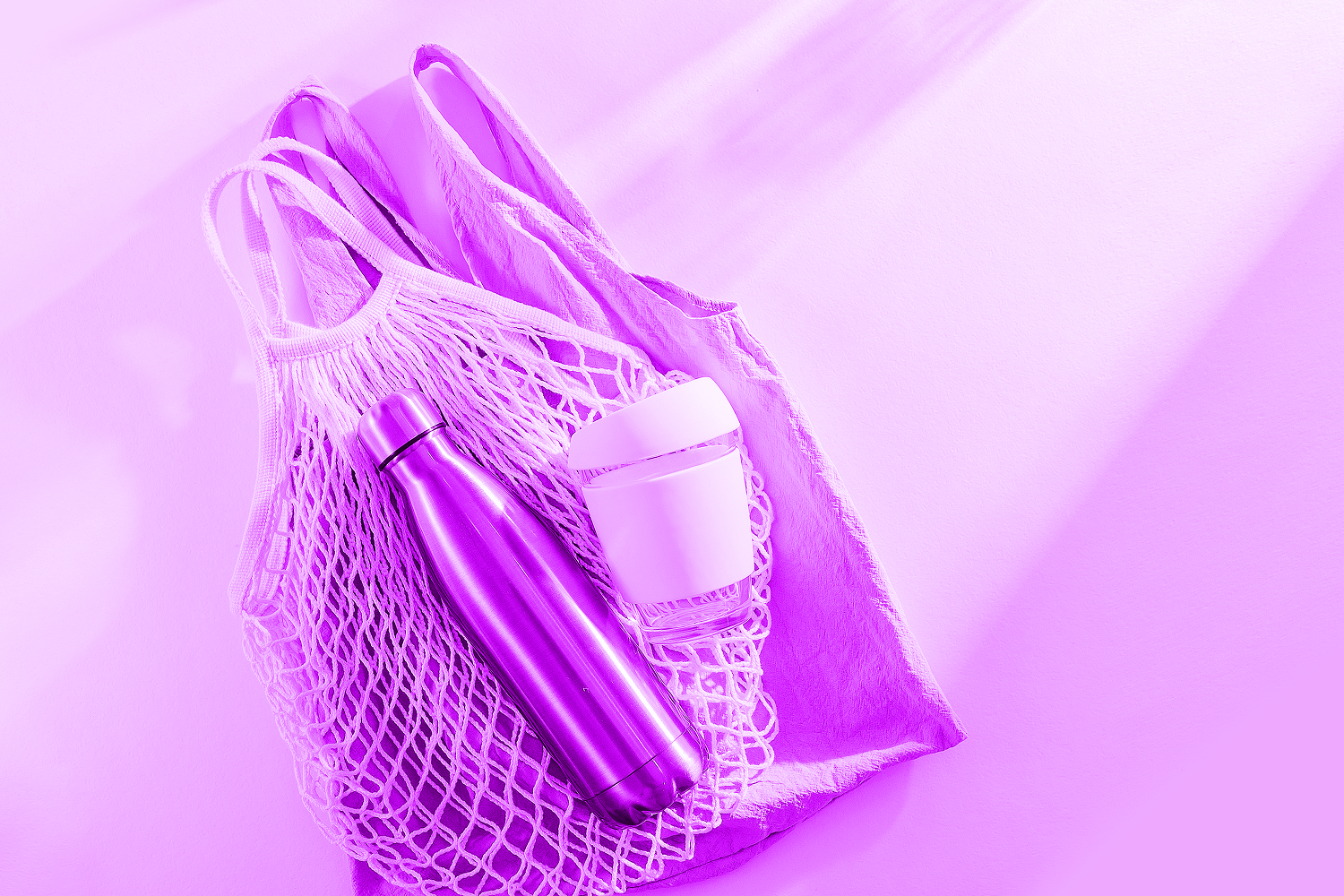
Single-use plastic creeps into our daily routines in countless ways, which can make excising it from our lives damn-near impossible. But ridding your world of plastic bottles and cardboard coffee cups is something any of us can tackle. It adds up, too: According to the U.N., one million single-use water bottles are purchased worldwide ever minute. As for coffee cups? The U.S. cranks through more than 130 million a day.
- Recommended reading: Our favorite reusable water bottle & travel coffee mug
Pickle produce before it goes bad
There’s an entire category of food writing dedicated to helping you toss less good grub, including everything from recipes built around scraps to guides for storing produce to maintain peak freshness. If you’re new to the waste-saving game—or just looking to add another tool to your arsenal—we humbly suggest committing to a quick pickling routine. This method preserves fruits and veggies in a brine, which is way easier (and less intimidating) than the process for shelf-stable pickles.
- Recommended reading: A beginner’s guide to quick pickling & 4 essential recipes for cutting food waste
Mend clothes when they need fixing
This is a cousin of the no-buy challenge, but our collective clothes-shopping habits warrant separate attention. The average American buys more than 50 new garments a year, which feeds the buy-toss-replace cycle of fast fashion and the industry’s growing dependence on fossil fuels to make cheap polyester duds. Your closet and dresser are the antidote—especially if you resist the impulse to replace items the second they look imperfect.
- Recommended reading: 8 simple alterations to master & Ideas for upcycling old clothes
Make a pot of beans every weekend
Meal prep sucks, but if there’s one recurring to-do we can get behind it’s boiling up a big pot of beans. It’s the stuff simple, sustainable meals are made of. Literally. Not only can they make a killer taco filling on a Meatless Monday, but having a helping of beans on hand means you’ll have a hit of fiber and a bit of extra protein to toss into meals all week long. Trading just half your beef intake with plant protein can cut your individual foodprint by 20%.
- Recommended reading: The basics of cooking beans from scratch & Black bean smash burgers
Opt for nondairy milk
Debate the nutritional merits of different plant-based milks all you like, but they all trounce dairy in terms of planet-warming potential—no matter their nut, seed, or grain of origin. Swapping moo juice for almond or soy milk can cut anyone’s dietary emissions by 8%. So easy! Bonus: It’s also a great way to draw down the greenhouse gases associated with your morning coffee routine.
- Recommended reading: Which alt milk is best for the planet? & Our favorite plant-based butter
Eliminate at least one car trip a week
About 37% of U.S. emissions come from transportation—and an entire 21% of those come out of individual drivers’ tailpipes. Most Americans, however, don’t have any choice but to drive. That’s the bad news. The good news is that not one of us is alone in dealing with this reality. Bundling errands, carpooling, and coordinating with friends and family can all trim our time behind the wheel.
- Recommended reading: Simple ways to drive less
Say ‘bye’ to the dryer
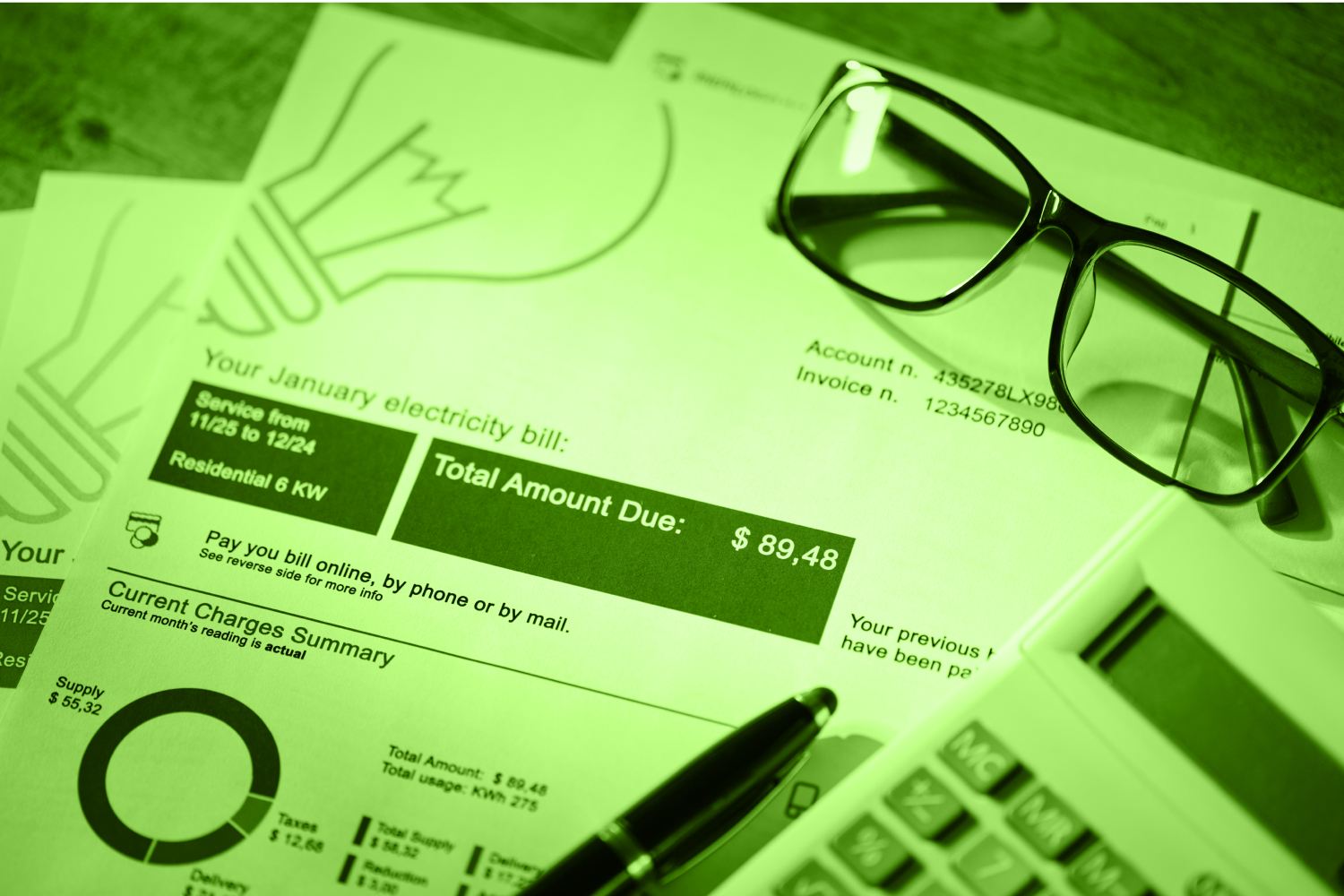
Sending our clothes on regular rides in the heated hopper accounts for 4.3% of a home’s total electricity draw—and it’s also murder on the lifespan of our vêtements. Letting the air dry our clothes and linens is totally climate neutral and 100% free. Sure, it’s only one part of an efficient laundry routine, but it’s by far the biggest single swing you can take.
- Recommended reading: 8 laundry tips for longer-lasting clothes & The ideal washing routine for energy savings
Call or email a policymaker once a week
The hits keep coming from the Trump administration, which means a couple things. First, is that there are ample opportunities to submit public comments on proposed environmental rollbacks and/or fill up your congresspeople’s voicemail boxes. Second, is that the difference you can make locally on renewables buildouts, transit upgrades, and a host of other efforts could be massive. We’ll be sure to surface calls to action as they arise in 2026, too.
- Recommended reading: How to stay climate active in Trump 2.0 & How to talk to climate skeptics