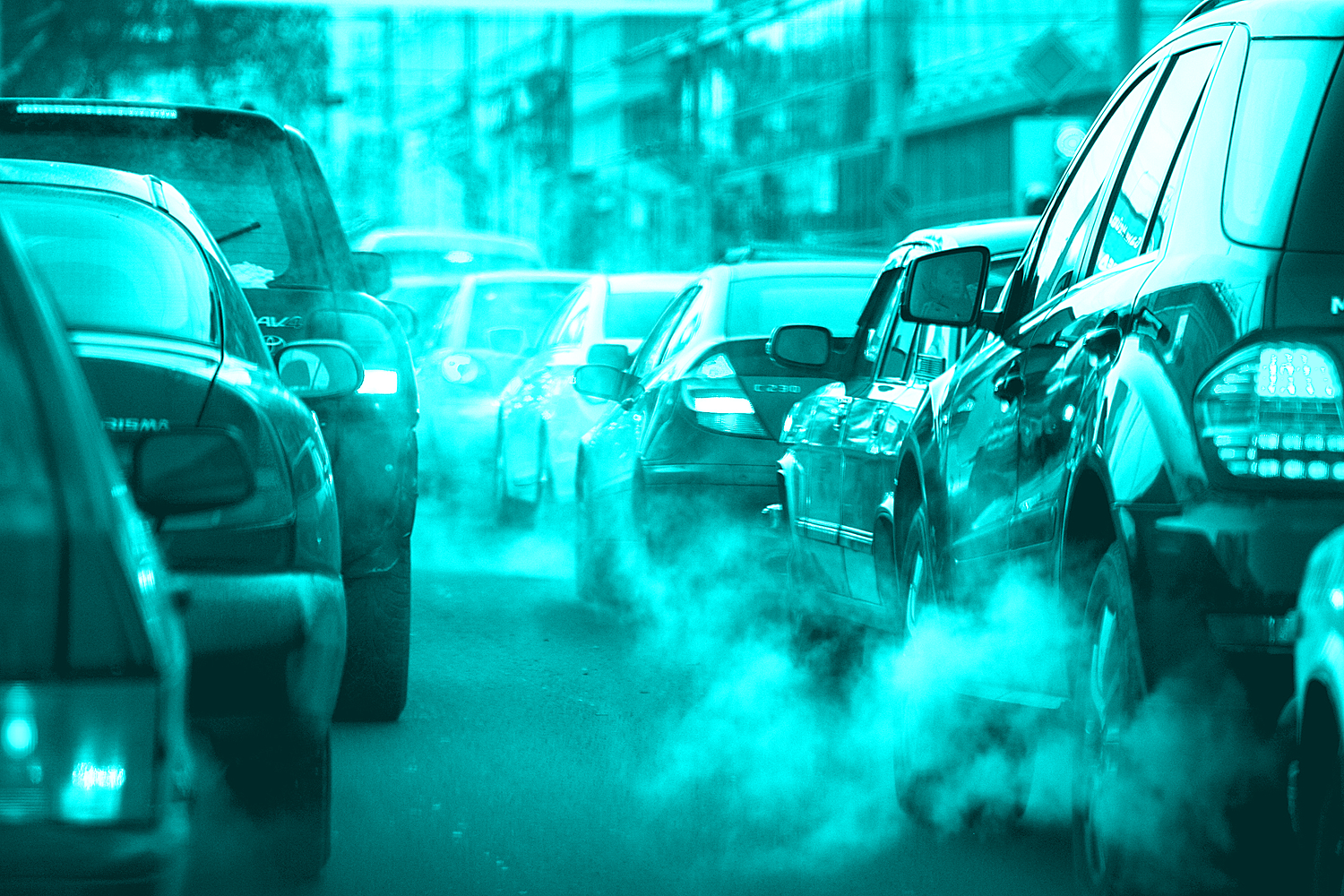


Fans’ food and travel make up the largest portion of live music’s total planet-warming emissions, according to a first-of-its-kind assessment by MIT’s Climate Machine research group. Concertgoers transiting to and fro accounts for 62% of the industry’s greenhouse gases in the U.S., and eats and bevvies make up 17%. Though live music represents only a fraction of the country’s overall emissions, the authors note that Earth-conscious changes at shows can have ripple effects, “set trends, shape behavior, and inspire broader climate action.”
Three Senators have kicked off an investigation into how much rapid and largely unchecked data-center buildouts are costing average Americans. Elizabeth Warren of Massachusetts, Chris Van Hollen of Maryland, and Richard Blumenthal of Connecticut sent letters to the heads of Google, Microsoft, Amazon, Meta, and key data-center operators. They asked for details on current and future centers and their energy usage, as well as what the companies are doing to ensure costs don’t “skyrocket” for ratepayers.
The Trump administration is moving to dismantle the National Center for Atmospheric Research (NCAR) in Colorado, which Russell Vought, the director of the White House Office of Management and Budget, called “one of the largest sources of climate alarmism in the country.”. One of the world’s top atmospheric research institutions, NCAR is crucial for sharpening our understanding and forecasting of climate shifts and extreme weather events—including their impacts on the public and industry.
The Instagram feeds of the nation’s biggest food magazines could be influencing readers to eat too much beef, asserts a new analysis from the Center for Biological Diversity. Allrecipes was the worst offender, with 15% of the dishes it posted containing beef. Bon Appétit, meanwhile, shared no bovine-based meals in the month the authors looked at; the brand does still publish beefy recipes, which stands in contrast to a 2021 promise from its sibling site Epicurious to ditch red meat.
The Earth may have warmed more than atmospheric scientists previously thought. Models tracing surface temperatures typically date back to 1850, but a newly published dataset stretches back to 1781. This analysis could shift the baseline for the “pre-industrial” temperature against which key climate goals like holding the world to 1.5 degrees C of warming are measured. In a separate study, plugging the new log into climate models revealed that human activities caused 0.09 degrees C of warning between 1750 and 1850.