
More Americans are trying to rewrite their relationship with stuff. A new year brings fresh efforts to consume less, as no-buy and low-buy challenges resurface from the self-help corners of social media. This year, No-Buy January even appears to be outpacing Dry January in uptake.
But curbing our add-to-cart instincts is only part of the equation. The stuff we already have piled up in our homes, according to some consumer psychologists, can also feed into the cycle of overconsumption. Not having a solid grasp on what’s squirreled away in cabinets, garages, and closest doesn’t only create visual noise and stress, it can also cost us money—and the planet resources. That’s why decluttering is increasingly part of the conversation around what it means to be a sustainable consumer.
For the eco-minded among us, though, getting rid of excess stuff can feel like a paradox. How can we square a cleaned-out home with a desire to keep goods out of the landfill? People who are averse to waste hold onto items even after their useful life is over, says Gretchen Ross, who studies consumer behaviors around product disposal at Texas Christian University.
Anyone asking that question isn’t wrong to pause: We send more than 4 pounds of trash per person per day to the landfill—where our collective castoffs break down and produce the potent greenhouse gas methane. And, on top of that, donation centers and the developing world are overwhelmed by our excess.
A strident focus on avoiding the dump, however, can also obscure longer-term benefits of cutting clutter—particularly when secondhand marketplaces, no-buy groups, and peer-to-peer rental services are making it easier to responsibly rehome what we no longer need.
Related: What do do with old clothes, spent electronics, used-up batteries, mushy mattresses, and more.
Clearing out excess can act as reset on the path toward buying less, says Catherine Roster, a professor of marketing at the University of New Mexico who studies the intersection of consumer behavior and sustainability. “Many consumers feel a tremendous sense of relief after they’ve decluttered, and that feeling can be transformative in terms of not returning to that overconsumption," she says.
Researchers are only just beginning to connect the dots between decluttering and adopting more sustainable shopping habits, but the trendlines appear positive. A 2022 survey in the journal Sustainable Consumption found that the reflection baked into decluttering decisions sets the practice up as a prime starting point for a purchasing reboot. And a 2024 look at closet purges in Cleaner and Responsible Consumption found that getting rid of unworn or unwanted clothes helped participants set—and in many cases stick to—fresh low-buy goals.
The potential for success, naturally, comes with caveats. Decluttering, according to research Roster co-authored in The Journal of Consumer Affairs in 2022, works best when people make the connection between the process and their self-identity—that is, when they go into it willingly and with a goal in mind. “If you do it incorrectly, if you don’t do it thoughtfully, there’s a regret that comes with that that causes people to actually clutter more,” she says.
What, exactly, can set a decluttering enterprise up for success, without throwing the planet to the wayside? Here are five tips.
Be clear about your goals
Before you jump into a decluttering journey, think about your goals. Connecting the exercise with a clear intention, Roster explains, reduces the likelihood that you’ll fall back into old patterns after the work’s done. “Some people will clutter more,” she says, adding a note of caution against hastily jumping on decluttering trends without taking time to make the link between clearing out and your own personal goals. Some people who hopped into the KonMari method popularized by Marie Kondo, Roster says, wound up boomeranging from trendy minimalism back into overconsumptive habits.
Think about the whole lifecycle
If you’re approaching a cleanout with saving the planet in mind, remember that the ultimate aim is to limit the amount of new stuff entering both your home and the marketplace. As you sort, consider where an item is in its useful life, and how to keep it in circulation longer. “Try not to think about throwing things away, but [instead] kind of reframing it: You’re trying to give it another life so that its utility is being used,” says Ross.
Most ‘80s kids learned three Rs in school (reduce, reuse, recycle), but there are a couple important additions to that mix: Add “refuse” to the front of the queue and jam in “repurpose/repair” before recycle. So that's: refuse, reduce, reuse, repurpose/repair, recycle.
That could be a little obtuse, so let’s tease out an example with a cotton t-shirt:
- Refuse & reduce: If the shirt is still in good condition and you’re going to wear it, keep it to avoid buying new.
- Reuse: If the shirt is still in good condition but you no longer wear it, donate it to a reputable thrift shop, sell it, or post it on a buy-nothing group.
- Repair: If the shirt is damaged in a repairable way—for example, a ripped seam—mend it.
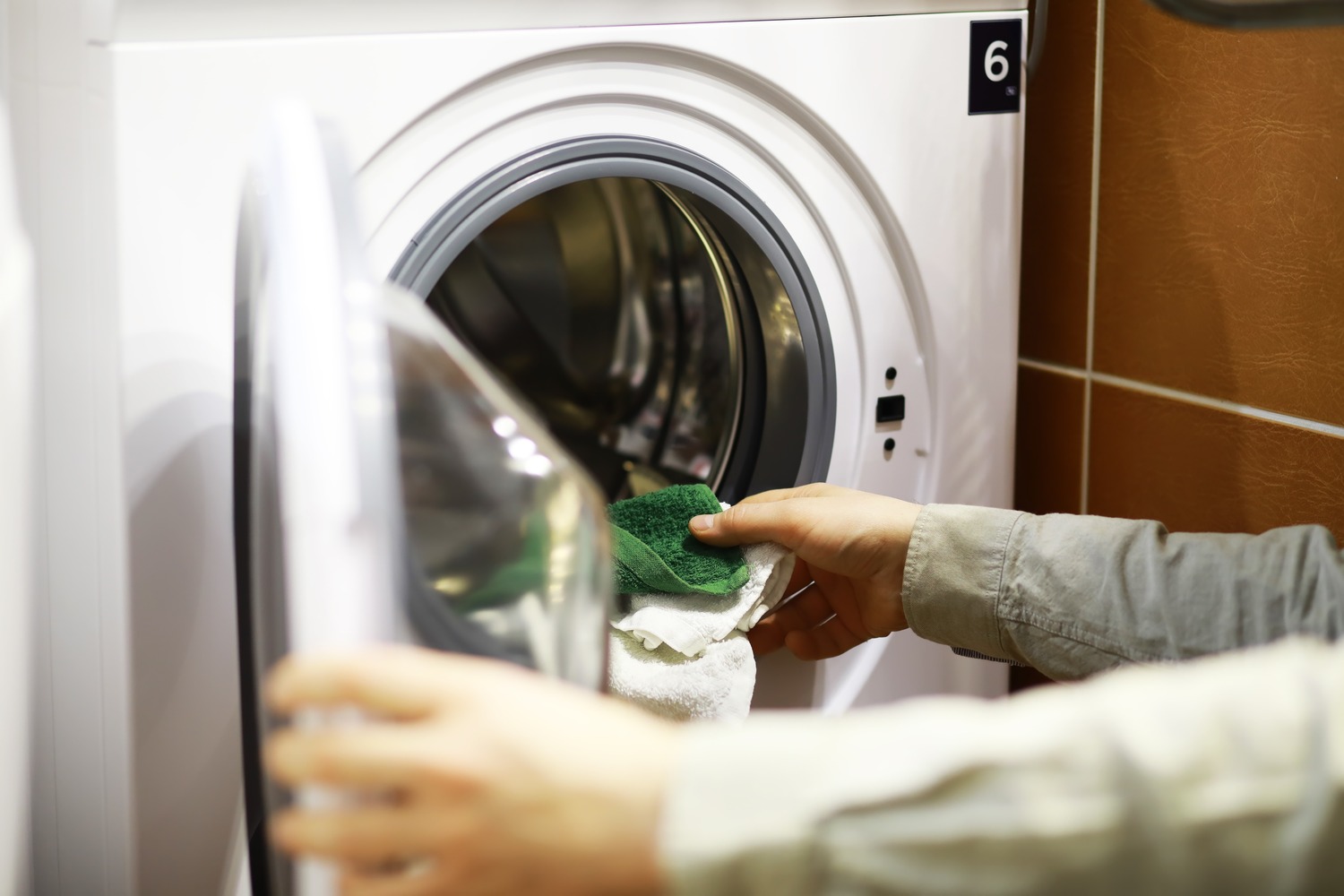
- Repurpose: If the shirt is stained, torn, or otherwise unwearable, downcycle it into a rag or paper towel replacement.
- Recycle: If it’s somehow beyond the beyond (we won’t ask how or why!), find a specialized recycler.
Get a sorting buddy
Decluttering can be an emotional process, as surfacing items that trigger nostalgia and tug at our heartstrings, which can make letting go difficult. Pile on concern about getting rid of things responsibly, and the process can become even more overwhelming. “It’s helpful to have someone there with you,” Roster says, “it can help you make good decisions, especially if it’s someone who has ideas about what to do with things.” Having a wingperson who can help research what to do with an item—including figuring out things like its potential value or who might want it—can keep the sorting process moving along.
Start small—and maybe a tad messy
Overwhelmed? Give yourself an easy win. Rather than thinking about tackling the entire house, start with your kitchen drawers or a single set of bookshelves. “You're more likely to make substantial progress and not just wear yourself out in the middle,” Roster says.
People who are particularly waste-averse can also call on an unexpected trick: embrace messiness. In a 2020 study in the Journal of Consumer Research, Ross found that piling items in a disorderly way helped declutterers part with more of their stuff. “It sounds counterintuitive, but it helps people start the process,” she says. When things are messy, the study found, it can be easier to make a judgment about the value of an item based on its own merits, as opposed to constantly comparing it to other similar things.
Take your time
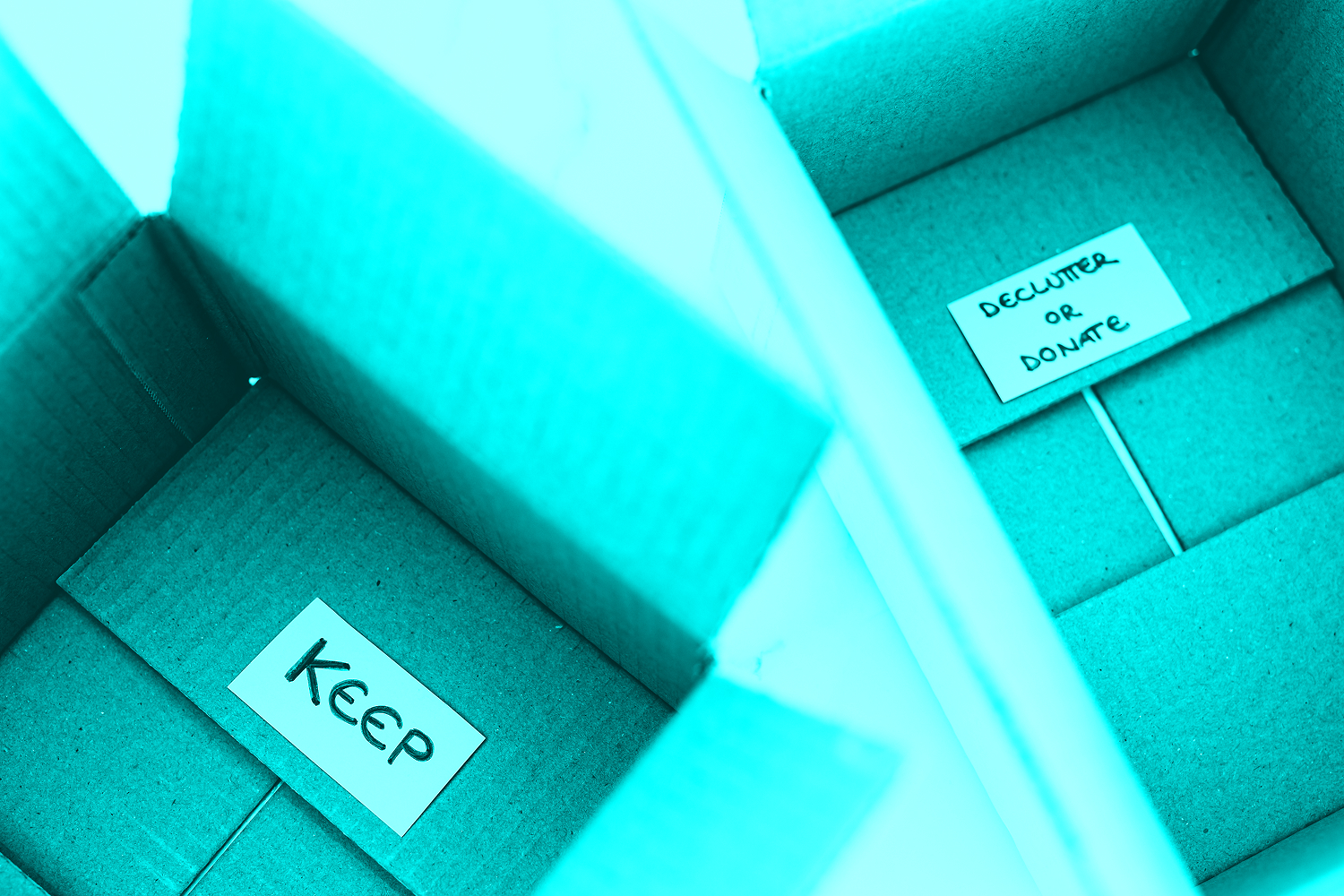
Decluttering is a process, not a project. The faster you try to speed through sorting out your stuff (Keep? Donate? Sell? Toss?), the more likely you are to wind up in the land of regret, Roster cautions. Most people embarking on decluttering exercises tend to want a quick fix, the authors of the Sustainable Consumption study note, but rushing only ups the chances goods will land at the dump or wasting away in a donation bin.
Trying to declutter an entire home could take months, Roster says, and shorter timelines make it more difficult to opt for Earth-friendlier disposal options. If you, for example, want to try to sell clothes on a secondhand marketplace like Poshmark, you have to be OK with letting them linger.