
The number of people who care about the climate but don't vote could swing an election—including this year's midterms. Between 12 and 13 million people who worry about the impacts of a warming world don’t vote in midterm elections, according to an estimate shared with one5c by the Environmental Voter Project (EVP), a nonpartisan nonprofit focused on increasing turnout among climate voters.
One reason for such a spread? “People don't view climate change as something political,” says Nathaniel Stinnett, EVP’s founder and executive director. In a 2025 survey, the organization found that just 29% of Americans put responsibility for the climate crisis on state and federal policies, while they view issues like gun control as having political solutions.
The gap between the electorate’s planet-warming worries and what they weigh in the voting booth is persistent. In the latest edition of Yale University’s bi-annual survey of how average Americans think about climate, 35% of respondents IDed warming as a very important voting issue—which sounds like a decent chunk, but puts it 24th among 25 factors—and just 1% of registered voters said it’s their single most important issue.
Still, organizers and advocacy nonprofits see plenty of opportunity in this election cycle. “The way to win on the policy going forward is to more closely tie climate to what the top-of-mind concerns are for voters,” says Craig Auster, VP of political affairs at the League of Conservation Voters. According to Yale’s data, the cost of living ranks No. 2 in voters’ minds, the economy is next in line, and government corruption comes right behind that. (Protecting democracy tops the charts.)
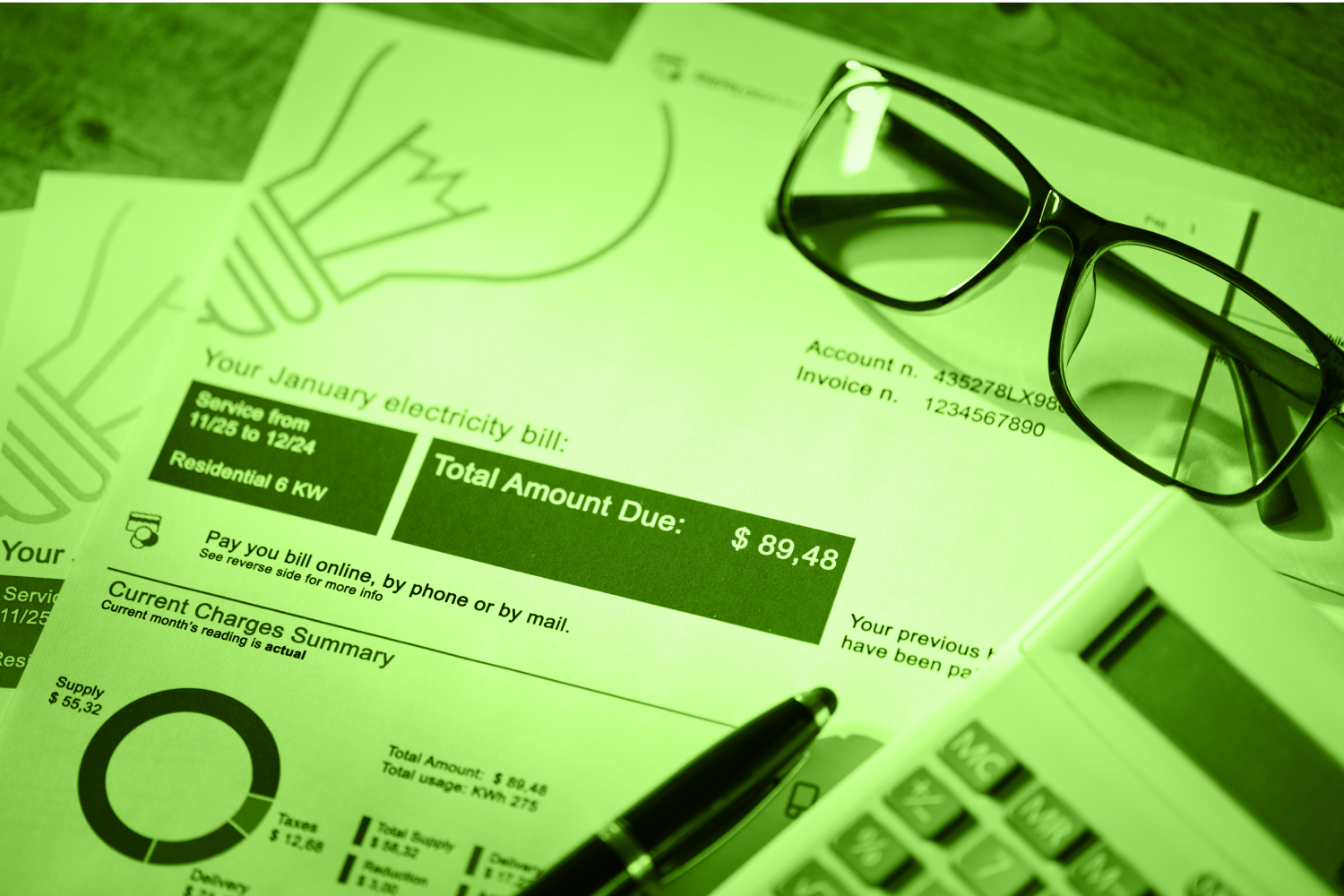
Affordability, say Auster and other political organizers we spoke to, stands to be a winning climate issue. “Climate is one of the reasons that one of the biggest pieces of people's budgets are their utility bills—their electricity bills,” he says. Electricity prices, specifically, have gone up 6.7% in the last year, which is more than double price hikes seen in the market overall. Those costs, many analyses have found, are the direct result of policies pushed by the Trump administration and backed up by Congress that buoy fossil fuels and tamp down renewables.
With 435 representatives, 35 senators, 36 governers, and hundreds more state and local officials up for election this year, here’s what to understand about the stakes for the planet and our pocketbooks. Consider it a cheat sheet for what to listen for when candidates start talking about affordability or energy—or the next time politics or prices pop into a conversation. “Getting people to talk to other people in real life about what's really happening is something that is in all of our power to do,” says Auster.
Data centers are driving up demand
A presidential push for the U.S. to lead in AI development—and do away with what the administration calls “foolish rules” that might slow the buildout of data centers—is creating outsized electricity demand. According to current forecasts from the International Energy Agency, data center power consumption in the U.S. could jump 130% by the end of the decade.
If unchecked by state or federal policies, data-center buildouts could also balloon emissions. Thirst for natural gas is on the rise, for instance, and one-third of new development is going towards powering data centers, finds to a recent report from Global Energy Monitor. “Ideally, we should have policies in place where data centers should be generating their own clean energy,” Auster says. “I don't think anyone thinks we're going to stop data centers completely, but the way we let them be developed is important.”
Dirty, expensive energy is getting a boost
Rising demand is keeping the oldest, highest-emitting, and costliest forms of electricity generation alive. Utilities have delayed the retirement of 15 coal-fired power plants set to be shut down, which helped drive a 3.8% uptick in power-sector emissions in 2025. Running the aging facilities on life support also takes big money; the coal-fired Campell plant in Michigan, for example, has cost taxpayers an estimated $615,000 per day. Areas resorting to natural gas to meet demand are often passing their costs onto utility customers.
Beyond that, the One Big Beautiful Bill Act—the major federal spending package signed into law last July—included many wish-list items for the fossil-fuel industry. It granted them new access to explore oil-and-gas extraction on public lands and $4 billion of taxpayer money a year in new subsidies. Republican lawmakers who voted for the bill accepted more than $105 million in political donations from the industry, according to a tally from the group Climate Power.
To EVP’s Stinnett, those numbers are a call to action. “Until we fight back at the polls, politicians will keep siding with fossil fuel executives over doing what's best for the rest of us,” he says. “That's a political solution to a political problem.”
Cheap, clean energy is getting blocked
Solar and wind energy are among the fastest and cheapest energy sources to build out and bring online—the cost of suncachers, in particular, is down 90% since 2010—but the federal government is squelching projects. The Trump administration has launched a sustained series of attacks on wind energy and slammed the brakes on solar megaprojects In Congress, the Big Beautiful Bill set a rapid phaseout of federal tax incentives for wind and solar developments and placed tight restrictions on where qualifying projects could source the parts they need to make it all happen.
Market forces and local efforts can (and are) helping absorb the blow, especially in renewables-heavy states like California and Texas. Nationwide, however, the playing field is not level, which means it’s hard to see how federal policies will impact the energy transition over the long haul. “Clean energy is the solution. It's the cheaper, and it's quicker to deploy,” says Jennessa Agnew, VP of field operations for the League of Conservation Voters. “Ensuring that we have leaders who will advance that is the way forward here.”