
Hi there, and welcome back to one5c! Have a question about sustainability or climate change? Send it to editors@one5c.com.
What’s on your minds:
> Sustainable brooms
> “Ugly” produce rescue
> Eco-friendly puffer jackets
Let’s get into it.
* * * * *
I’ve always used the classic broom made from plastic, but this year I tried switching to a corn-husk broom. It works fairly well with some breakage, but I was curious if you had any recommendations on a broom that’s going to work well and not sit in a landfill forever when it’s done? —Sarah
The most eco-friendly broom is the one you already own. But if you’re in the market for a new one, there are definitely sustainable brooms options—though they can be hard to find.
For the handle, you’ll want to look for bamboo or Forest Stewardship Council-certified wood. If you’re considering an artsy broom made from an indie designer (which can get pricy), reclaimed wood or other plant-based materials like reed are also great options.
Bristles are the bigger issue, as it’s harder to find indoor brooms that don’t use plastic sweepers. Some brands offer 100 percent recycled plastic bristles, which is better than virgin plastic but not as sustainable as natural fibers. Luckily, although they’re a bit more difficult to find, there are broom bristles made from a wide variety of plant materials. Admittedly, I haven’t tested any of them myself, so you’ll want to lean heavily on reviews. If you can find an in-store option and test it for yourself before buying, all the better. The best place to start looking is at handmade broom-sellers near you.
When it comes to choosing between plant-based bristles, it’s hard to say one material is better for the environment than another. The small companies that make many of these boutique brooms probably aren’t going to have eco-certifications. Instead, aim to purchase from those that source from locally grown plants. Some of the options you’ll have to choose between include, in addition to corn husk, millet, tampico from agave plants, coconut, and dried heather. A popular option is classic broomcorn, a type of sorghum, which brooms were historically made of. The only non-plastic material I recommend steering clear of is horsehair—to avoid potential animal welfare issues.
* * * * *
I’ve been considering signing up for a subscription grocery service like Misfits Market that sells “ugly” produce, but do they actually reduce food waste? Are there any of these services that you’d recommend? —Jared
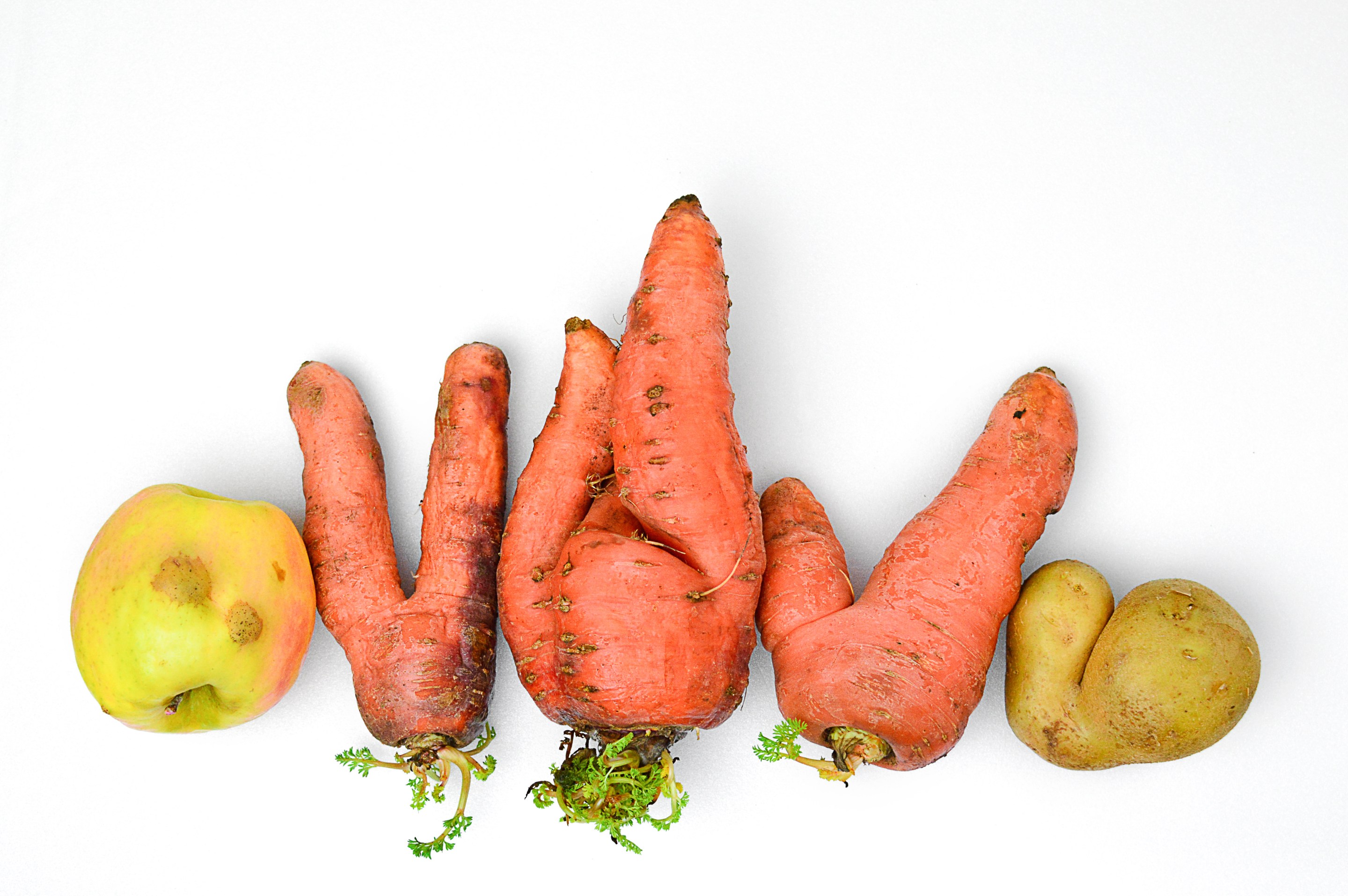
Food rescue and delivery services fill a much-needed niche since, according to a 2016 estimate, six billion pounds of edible fruits and veggies don’t make it into stores each year because they’re ugly—meaning they don’t look like the standard model, whether that’s in shape, size, or color.
So how do the different ugly food rescue services stack up?
It turns out there are only two major players in the United States: Misfits Market and Imperfect Foods. And although they started as independent operations, in 2022 the former acquired the latter. They’re still operating under separate names, though many of the grocery offerings are now the same across both platforms. As such, you can’t really go wrong with either choice.
That said, it’s unclear how integrated the two companies are on the back end, so it may be worth putting your dollars toward the more ethical of the two. And from a climate change perspective, that’s Imperfect Foods; it’s working toward a net zero by 2030 plan and running on 100-percent renewable energy by the end of the year. Misfits Market doesn’t advertise comparable climate goals. Additionally, Imperfect Foods offers both conventional and organic produce while Misfits Market is mostly organic—and as we’ve discussed before, organic produce can have a bigger climate cost.
How exactly do these food rescue companies work? Like any grocery delivery service, you pick which groceries you want each week, and they’re delivered to you. (Depending on where you live, there may be an item minimum or shipping cost.) It’s where these products come from that makes the difference. The groceries may be ugly, surplus, near its sell-by date, improperly packaged, and leftover ends and pieces. Because the companies work directly with suppliers, cutting out the middlemen, prices can be up to 40 percent lower than what you would find in stores.
Both services are available in just about every zip code throughout the contiguous United States. And although you can sign up for a weekly subscription, you can opt for a flex plan that lets you buy only as needed. Misfits Market and Imperfect Foods also allow customers to return grocery packaging for reuse or recycling, and they operate their own delivery fleet, which allows them to cut transportation emissions.
All of this has led to serious impact. According to Misfits Market, the average order saves five pounds of food, equating to 196 gallons of water and nearly 7 pounds of CO2 emissions that would have otherwise been for naught. In total, Misfits Market has saved 238 million pounds of food since 2018. Imperfect Foods is a slightly smaller operation, having saved a total of 172.5 million pounds of food since its founding in 2015. Every year, its average customer saves 317 pounds of food, conserving 11,149 gallons of water and 249 pounds of CO2 emissions.
If neither option tickles your fancy, check to see if a local food rescue service is available. One that caught my eye was Hungry Harvest which serves Maryland, Washington, D.C., Virginia, Greater Philadelphia, Southern New Jersey, Northern Delaware, and Raleigh, North Carolina.
A note of caution: If you try looking up additional ugly food subscription services, you might come across Hungryroot as a sponsored ad. They even have a blog page all about ugly produce and comparing themself to Misfits Markets and Imperfect Foods. But from what I could find, this delivery service isn’t offering the same type of ugly, surplus, or otherwise reclaimed groceries.
* * * * *
My kids outgrew their winter coats from last year, so I need to get them new ones. What should I look for in a sustainable puffer jacket? —April
Shopping for standard puffer jackets typically means picking between down or a synthetic alternative.
Down, which refers to the soft plumes located beneath the visible outer feathers of ducks and geese, has thousands of minuscule fibers that crisscross in all directions, creating air pockets that are remarkably effective at trapping heat. It’s also lightweight and compressible. But down has its dark sides. It’s expensive, and most material on the market comes from birds raised for food in factory farms, an industry that contributes around 11 percent of the global greenhouse gas emissions accelerating the climate crisis. Down’s status as a “byproduct” of the meat market in some instances (like, for example, this life-cycle assessment commissioned by the down industry) helps mask some of its unsavory side. As do voluntary certifications like the Responsible Down Standard that advocate for more humane practices, but even those aren’t a sure thing. A number of down jackets are also treated with PFAS—aka forever chemicals—to make them water-resistant.
Over the last several decades, down’s pros (and cons) have inspired a wave of synthetic copycats looking to mimic its incredible insulating powers. Many of the offerings today, while plentiful, are—you guessed it—made of plastic. So, what’s a planet-conscious person to do when it’s time to bundle up? Luckily, you’ve got choices.
Good: Recycled polyester. Puffer coats that don’t use down are generally stuffed with a polyester fill. These options do have some advantages over natural fibers. For one, they’re often water-resistant, which means they won’t lose their shape and ability to insulate in downpours the way down might. However, generally they aren’t as warm. That’s why experts recommend snagging synthetic-filled puffers that are on the heavier side to guarantee optimal toastiness. Opting for a coat filled with recycled polyester is a better choice than one filled with virgin plastic. Tentree, Patagonia, and even mall classics like Gap stock puffers with 100 percent recycled fill.
Better: Recycled down. Down is beloved for many reasons. “It’s natural—if it ends up in the environment, it’ll biodegrade. It’s high-performance,” says Alden Wicker, author of To Dye For: How Toxic Fashion Is Making Us Sick—and How We Can Fight Back. Recycled down has all of those benefits, plus it’s more environmentally responsible. It reduces reliance on freshly plucked plumage and keeps postconsumer waste that typically can’t be resold, like the innards of cushions and bedding, out of the landfill. Patagonia says every kilogram of insulation made from its recycled down reduces carbon emissions by 33 percent compared to virgin down. Brands like Patagonia, Rab, and The Recycled Planet Co. all offer puffers insulated with second-chance down.
Best: Preloved down. The best option probably doesn’t come off a traditional retail rack. Try the thrift shop or check out an online secondhand marketplace like Geartrade. If you have a jacket, consider repairing it instead of jumping for a replacement. “In general, most down puffer jackets—if they’re well maintained—should basically last forever,” says Matt Kuosmanen of Rainy Pass Repair, an outdoor gear repair shop in Seattle. Proper down maintenance includes regular washing, ideally at least every other month. It’s important to use a special, down-formulated wash designed to help re-loft the fill and get it as “puffy and poofy as possible,” Kuosmanen says.
As for repairs? The most common puffer failure involves some kind of tear in the coat’s shell, whether that’s from snagging an arm on a branch or a puppy trying to steal a treat. For a quick fix, you can use patching tape like Patagonia’s Tenacious Tape. These types of patches are great in a pinch as a temporary solution but will eventually wear off. For long-lasting repairs, a tailor or gear repair shop can sew on a proper patch. Many outerwear brands also offer (sometimes free) repair programs, including Patagonia, Arc’teryx, Gore-Tex, and 66° North.
Lead image credit: kalfa / Adobe Stock