
Hi there, and welcome back to one5c! Today’s newsletter features offshore wind energy, data center regulations, and home energy assessments.
What’s on my mind:
> The climate policies we’re anticipating post-election
> Why you should care about COP31 climate talks
> How to recycle the election signs in your yard
Let’s get into it.
How the ‘Blue Wave’ Could Overhaul U.S. Climate Policy
The midterms were a huge win for Democrats. And although there’s a small group of climate-minded Republican politicians, the blue wave is undeniably the best possible result for climate action. That said, Democrats have largely embraced “climate hushing,” so what can we actually expect them to do in office?
On the federal level, the left won’t be able to pass much climate legislation—even with control of the House and Senate—due to the power of presidential veto. But Democrats are in a much better position to challenge future (and past) anti-environment actions from the Trump administration. And on the state and local levels, the blue tsunami could mean major progress.
These were some of the biggest actual and expected climate wins from this election—and the doors they open up for climate action:
State Races
Michigan, Minnesota, Nevada, Pennsylvania, Wisconsin, and Arizona will gain Democratic trifectas, meaning the left controls both houses of the legislature and the governorship, joining 16 other states that are maintaining their trifectas. This control will make it much easier to pass progressive state legislation, such as enshrining the right to community solar. Decreasing energy bills will be a major focus. (Read on Canary Media and Grist)
Republicans lost state trifectas in Iowa, Georgia, Texas, New Hampshire, and Ohio. With split control, there’s more of a chance that the states will pass climate legislation—and a lower chance that laws that hurt the environment will pass. (Read on Inside Climate News)
Georgia flipped the Public Service Commission, giving Democrats the majority in the state’s utility oversight. (Read on Canary Media)
Data Centers
The midterm elections featured 41 state and local ballot measures related to data centers throughout 10 states. All except one—in Harwood, North Dakota—resulted in greater data center restrictions or rejected measures that would deregulate data center development. (Read on CNBC)
Following the election, top Democrats are calling for a data center moratorium. Newly elected Democrats have reaffirmed their intention to increase regulation of data centers. (Read on CNBC)
Texas, a major data center hub that flipped blue, is expected to pass tighter regulations on data centers—potentially even an immediate moratorium on new construction—though there will likely be pushback from some local officials. (Read on Inside Climate News and MIT Technology Review)
Clean Energy
With Democrats controlling both the House and Senate, the Trump administration may be less likely to attack the offshore wind energy industry—and Democrats will likely investigate Trump’s offshore wind lease buybacks. (Read on The Guardian)
With House and Senate control, the left will be able to block further repeals on wind and solar tax credits, and Democrats are in a better position to pass federal battery storage credits. (Read on The Guardian)
Democratic representatives are also likely to investigate Trump’s decision to cancel $8 billion in funding for energy projects in states that didn’t vote for him in the latest presidential election. (Read on CNBC)
Congressional Democrats could also investigate staff and funding cuts of environmental agencies and corruption and conflicts of interest in energy-related matters. They could also push back against plans for oil and gas expansion. (Read on Euronews)
Residents of Eugene, Oregon approved a measure to charge a 2-percent tax on local profits from billion-dollar corporations, with the money raised funding home energy efficiency upgrades, community solar, renewable energy job training, and more. (Read on The Register-Guard)
Coloradans rejected Amendment 82, which would have added a right to buy and sell natural gas to the state constitution. (Read on Inside Climate News)
Industry Regulation
Californians defeated Prop 45, which would limit environmental review of “essential projects” like housing and broadband internet access. (Read on Inside Climate News)
Michiganders voted to prohibit public utilities and specific government contractors from donating to election campaigns. (Read on Click On Detroit)
Voters in Corpus Christi, Texas overwhelmingly passed steep fines for water use by local refineries and chemical plants during future droughts. (Read on Inside Climate News)
Additional Federal Action
Democrats in federal office are in a better position to push the Trump administration to actually spend money that’s been dedicated to climate funding and stop the permitting bill Congress is considering from weakening environmental protections. (Read on Time)
What to Pay Attention to at the COP31 Climate Talks
COP31, the 2026 edition of the annual U.N. climate talks, begins today in Turkey and will last through November 20th, with Australia leading the negotiations. What makes this meeting different from years past is mainly that, for the first time, the United States won’t be participating officially, though politicians and business leaders will attend. It’s also the 10th anniversary of the Paris Agreements—which highlights one of the biggest benefits of the yearly COP climate talks: They ensure that countries have to continually think about the climate crisis.
However, these meetings come and go without much apparent change. The process is rife with bureaucracy, and high-emitting countries are often at odds with low-emitting nations that are the most impacted by the climate crisis. This makes progress incremental and slow-moving.
Even the U.N. itself doesn’t have much faith in COP31. Selwin Hart, the U.N. Special Adviser on Climate Action and Just Transition, stated in a recent article from the U.N. that “there’s sometimes this expectation that COPs will always have this big grand deal that will solve the climate crisis. That’s not realistic. COP31 will not solve the climate crisis in two weeks. But it could help remove some of the barriers standing between the solutions already available and the people who need them.”
It could, but will it? To find out, pay attention to these four key points at the COP31 climate talks:
- Sometimes countries will release new climate plans and commitments at the conference. Will any nations make a big announcement this year?
- What climate financing agreements will countries achieve? Climate financing—or wealthy, high-emitting nations dedicating climate funding for low-emitting, vulnerable nations—is one of the largest barriers to global climate action.
- Is the conference only resulting in goals and vague plans, or are concrete steps for climate mitigation and adaptation being implemented?
- What types of solutions are the focus of implementation, for example, expanding renewable energy or reducing methane emissions?
Don’t Toss Those Election Signs—Recycle Them
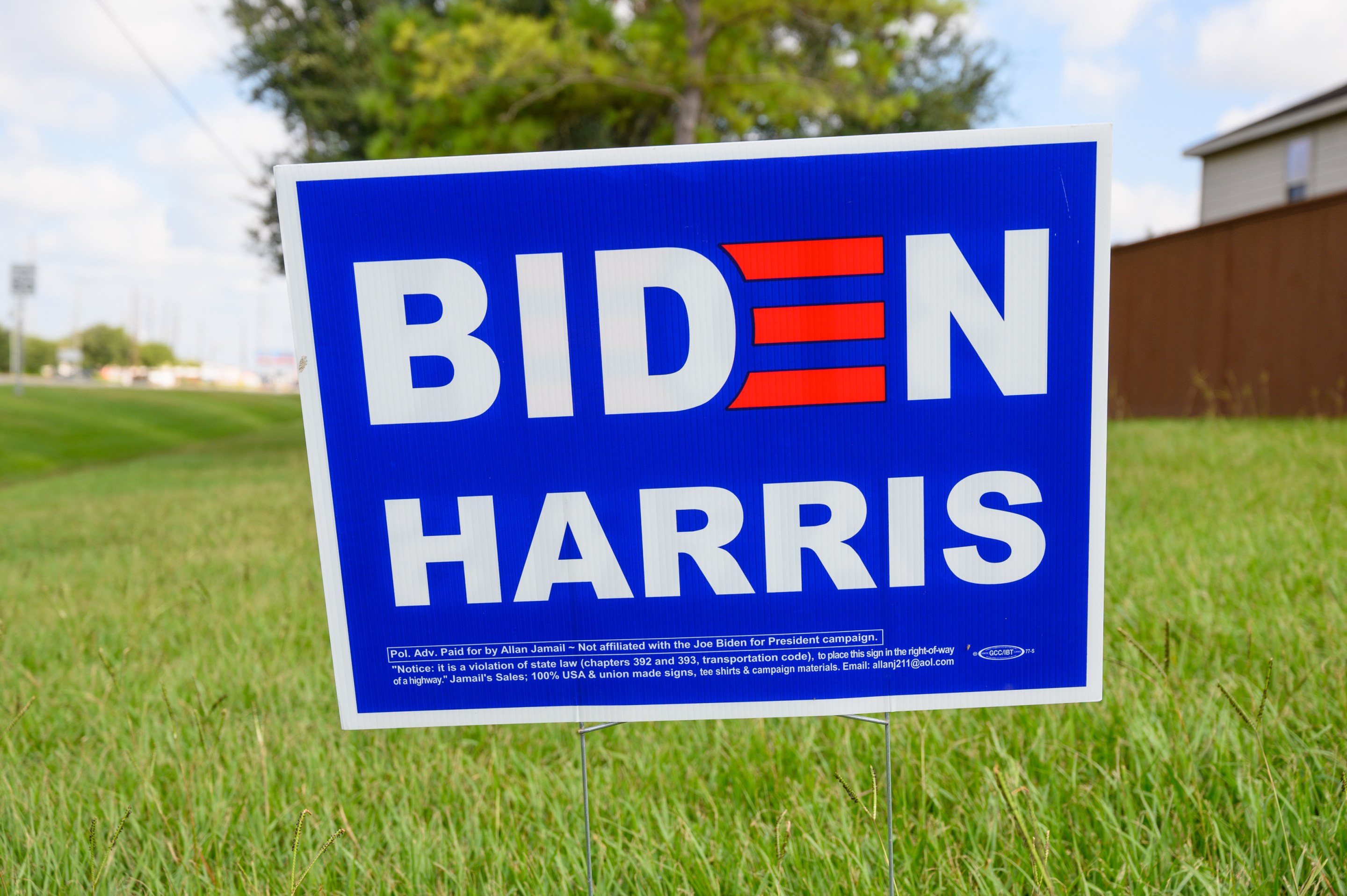
Post-midterms, it’s time to get rid of the campaign signs in your yard. But don’t chuck them in the trash just yet!
To recycle the signs, first you’ll need to separate the metal stake from the sign itself. You can treat the stakes as scrap metal and recycle them at a local scrap metal yard. The signs themselves are more difficult to recycle. Most lawn signs are made of corrugated plastic, not cardboard, so they can’t go in your recycling bin. If any big box stores near you recycle plastic bags, you can ask if they also take this type of corrugated plastic. Otherwise, your best bet is checking whether your community has a dedicated campaign recycling program or subscribing to a boutique recycling service like Ridwell.
In the News
🚆 Transportation
> In the first half of 2026, less than half of global car sales were gas cars for the first time ever. (Read on Electrek)
💡 Energy
> Rather than building more power plants, it would be less financially risky to fuel the AI boom by freeing up the grid by paying households to invest in rooftop solar and home batteries, a new report finds. (Read on Canary Media)
🗑️ Waste
> Microplastics from the Great Pacific Garbage Patch may be changing the color of local ocean waters. (Read on Quartz)
📣 Policy & Action
> An international coalition of lawyers filed 14 legal actions against JBS, the largest meat company in the world, related to raising cattle on illegally deforested land in the Amazon Rainforest. (Read on Inside Climate News)
📱 Tech
> Environmental groups are working with Big Tech to create a responsible framework for building out AI data centers. (Read on The Hill)
Lead image credit: michelmond / Adobe Stock