
Americans eat more tilapia than any other whitefish, but the environmental costs of farming, catching, and importing it mean Earth-friendly options can be hard to come by. But there’s an even tastier swimmer out there, and eating it could help restore balance to native waterways.
We’re talking about “Asian carp,” which is a catchall term for a group of four fish species native to southwestern China that were introduced to the Southern U.S. in the 1970s. Their initial mission was to gobble up weeds and parasites in aquatic farms, but due to flooding, accidental release, and their positively bananas jumping abilities, the fish have since spread into the Mississippi River and across the Midwest. Now a full-blown invasive species, the aquatic hoovers are sucking up all the native swimmers’ food and leaving a trail of destruction and economic damage in their wake.
Biologists have had plenty of ideas to monitor and control the spread, stuff like electrofishing and sonic barriers. But some fish and game officials—along with regional chefs—think we should belly up to the problem. These species are among the most commonly eaten freshwater fish in the world, but here in the States they can be a hard sell. Many people get them confused with bottom-feeding common carp, a throwaway fish with dark meat that can taste muddy. By comparison, the top-feeding plankton eaters have firm, clean, sweet-tasting meat that can hold up to any cooking technique, from grilling to deep-frying.
To help folks along, late last year the Illinois Department of Natural Resources rebranded the enemy as copi (short for copious). It’s currently gracing the plates of local fishermen and dotting restaurant menus throughout the region. We got our hands on a few pounds from Sorce Freshwater Co., a central Illinois seafood distributor, to see how it holds up in some of our favorite whitefish dishes, including a good ol’ Wisconsin fish fry and a quick Thai-style curry that’s ready in under 30.
Copi Fish Fry
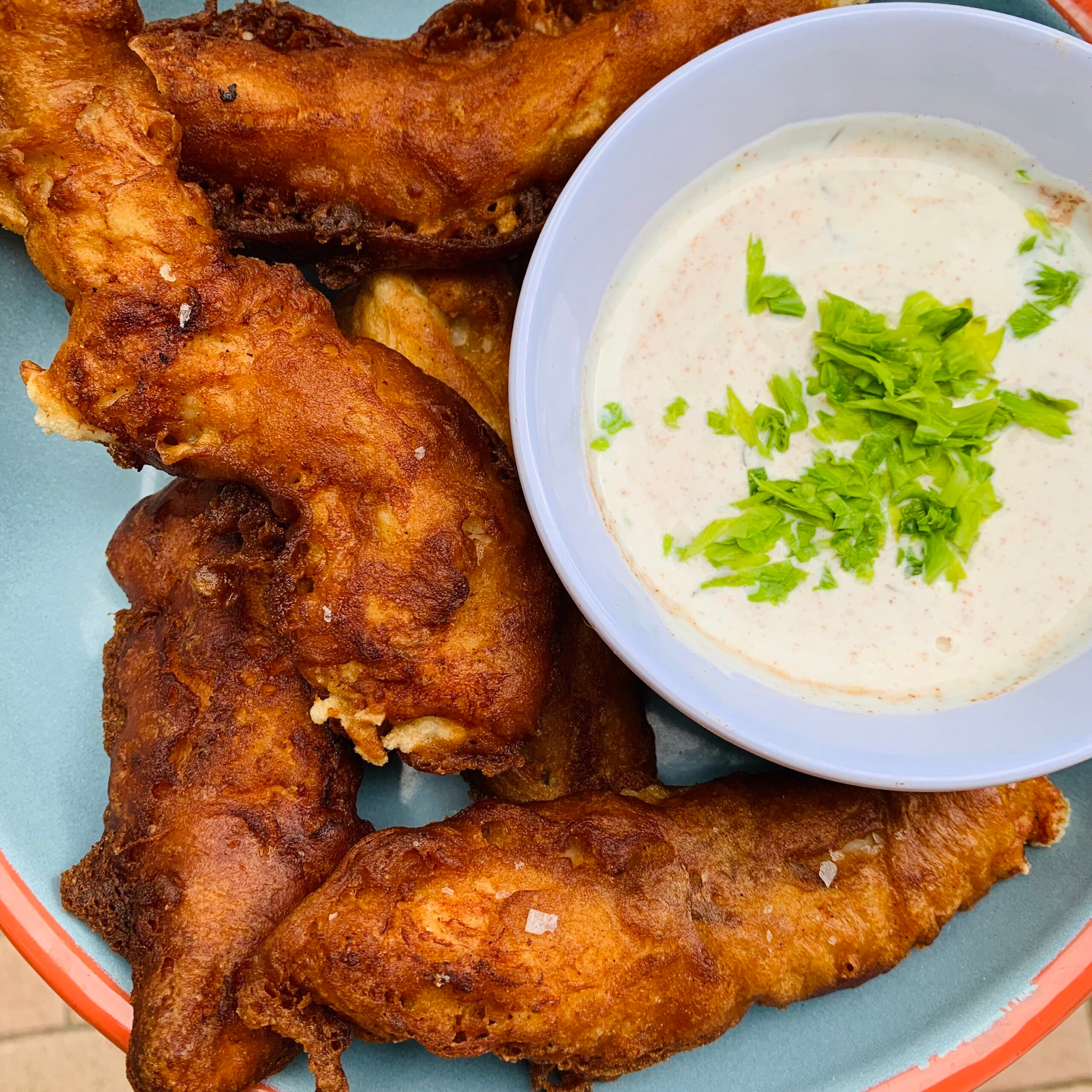
Fried fish has been a Midwestern staple since the 1800s, when an influx of Catholic immigrants brought over the tradition of giving up meat on Fridays. They adapted their diets to include fish from Lake Michigan, including lake perch and walleye—both of which are currently under threat from invasive carp. We decided retooling this go-to preparation with copi (technically, silverfin carp) was the perfect revenge.
First, a quick anatomy lesson: These carp species don’t contain the predictable strip of pin bones found in popular species like snapper, but instead have two rows of Y-shaped bones crossing the fillets. A knowledgeable fishmonger can get rid of these for you (this is how my supply came), but if you’re bringing home a catch, here’s how to do it yourself. It’s worth the effort, because there’s a lot of meat on those bones.
And, of course, if you have a go-to spin on fried fish, it will take to it just fine. Add some coleslaw and rye bread, and the golden strips will make for a splendid fish sando, but simply dunking them in copi(ous) amounts of tartar sauce isn’t exactly a sacrifice. Our riff on a beer batter taps rice flour for an extra-lacy crunch.
Yield: 4 servings
Ingredients:
- 2 pounds copi fillets
- 1 cup all-purpose flour
- 2 cups rice flour, divided
- 2 teaspoons garlic powder
- 2 teaspoons paprika
- 1 teaspoon kosher salt, divided
- 1 egg, whisked
- 12 ounces beer or hard kombucha
- Grapeseed or other neutral oil, for frying
Procedure:
- In a large bowl, whisk together the AP flour, 1 cup rice flour, spices, and ½ teaspoon salt. Add egg and beer and whisk to combine; set aside for 10 minutes. In a separate shallow plate, add remaining 1 cup rice flour.
- Pat fish dry with a paper towel and sprinkle it with salt on all sides. In a large, deep cast-iron skillet, heat about 3 inches of oil to 375 degrees over medium heat.
- Working one piece at a time, coat fish in the dry rice flour, shaking off the excess. Dunk fish into the wet batter, letting the excess drip back into the bowl. Carefully lower into the oil. Repeat with two to three more pieces, careful not to crowd the pan.
- Fry each batch until golden brown, flipping halfway through, 5 to 6 minutes total. When it floats, it’s done! Remove to a wire rack placed over a cookie sheet to cool. Sprinkle immediately with salt and serve.
Notes and Substitutions:
- To reuse frying oil, strain it into a vessel and store it in a cool, dark place. It’ll taste fishy, so we recommend using it only with seafood. It’ll last three to four uses before it gets dark and murky.
- The batter will work great with walleye, perch, or cod, but consult Seafood Watch to zero in on the most sustainable choices.
Thai-Style Coconut Copi Curry
Curries are a great way to quickly prepare fish while infusing as much flavor as possible—and to use up whatever veggies might be languishing in your crisper drawer. This adaptable Thai-style version features meaty chunks of copi and goes from pan to plate in less than 30 minutes.
Yield: 4 servings
Ingredients:
- 1 ½ pounds copi fillets
- 3 tablespoons coconut oil or grapeseed oil
- 2 teaspoons ground turmeric
- 1 teaspoon kosher salt, divided
- 3 garlic cloves, finely chopped
- 2 large shallots, finely chopped
- 1 serrano pepper, finely chopped
- 1 tablespoon fresh ginger, grated
- 2 tablespoons red Thai curry paste
- 2 cups low-sodium vegetable stock
- 1 bunch (about 1 pound) asparagus, woody ends trimmed, sliced into 1-inch pieces
- 1 cup carrots (about 2 medium), chopped
- 1 large red bell pepper, deseeded and thinly sliced
- 1 15-ounce can full-fat coconut milk
- 1 tablespoon fish sauce or coconut aminos
- 1 tablespoon brown sugar
- 1 tablespoon lime juice (from about 1 lime), plus wedges for serving
- ½ cup lightly packed basil leaves
- 2 scallions, trimmed and thinly sliced, for garnish
Procedure:
- Cut the fish into 2-inch chunks, and pat it dry with paper towels. Rub the fish with 1 tablespoon oil, turmeric, and ½ teaspoon salt. Set aside.
- In a large skillet, heat the remaining 2 tablespoons of oil over medium heat. Add the garlic, shallots, serrano pepper, and ginger, and cook, stirring constantly until everything starts to soften, about 2 minutes. Reduce heat to low and stir in the curry paste; cook for 1 minute.
- Add stock, veggies, and ½ teaspoon salt. Cover the pan and bring to a boil. Lower the heat and simmer until carrots are tender, about 5 minutes.
- Stir in coconut milk, fish sauce (or coconut aminos), brown sugar, and lime juice. Add the fish, cover, and simmer for about 5 minutes, gently turning halfway, until the fish is opaque, meaning it’s cooked through.
- Remove from heat, stir in basil, and garnish with scallions. Serve over rice and with lime wedges, if desired.
Notes and Substitutions:
- Homemade veggie stock is always best, but as Ina Garten would say: “Store-bought is fine.” We like to keep a jar of Better Than Bouillon stock concentrate in the fridge at all times.
- Most grocery stores stock Thai Kitchen curry pastes, but Mike’s Organic Curry Love is awesome if you can find it.
- If you’re outta fresh ginger, ¼ teaspoon of powder replaces a tablespoon of fresh.
- If you’re sensitive to spice, you can omit the serrano pepper.