
This story has been updated. It originally posted at 8:00 a.m. on March 6, 2025.
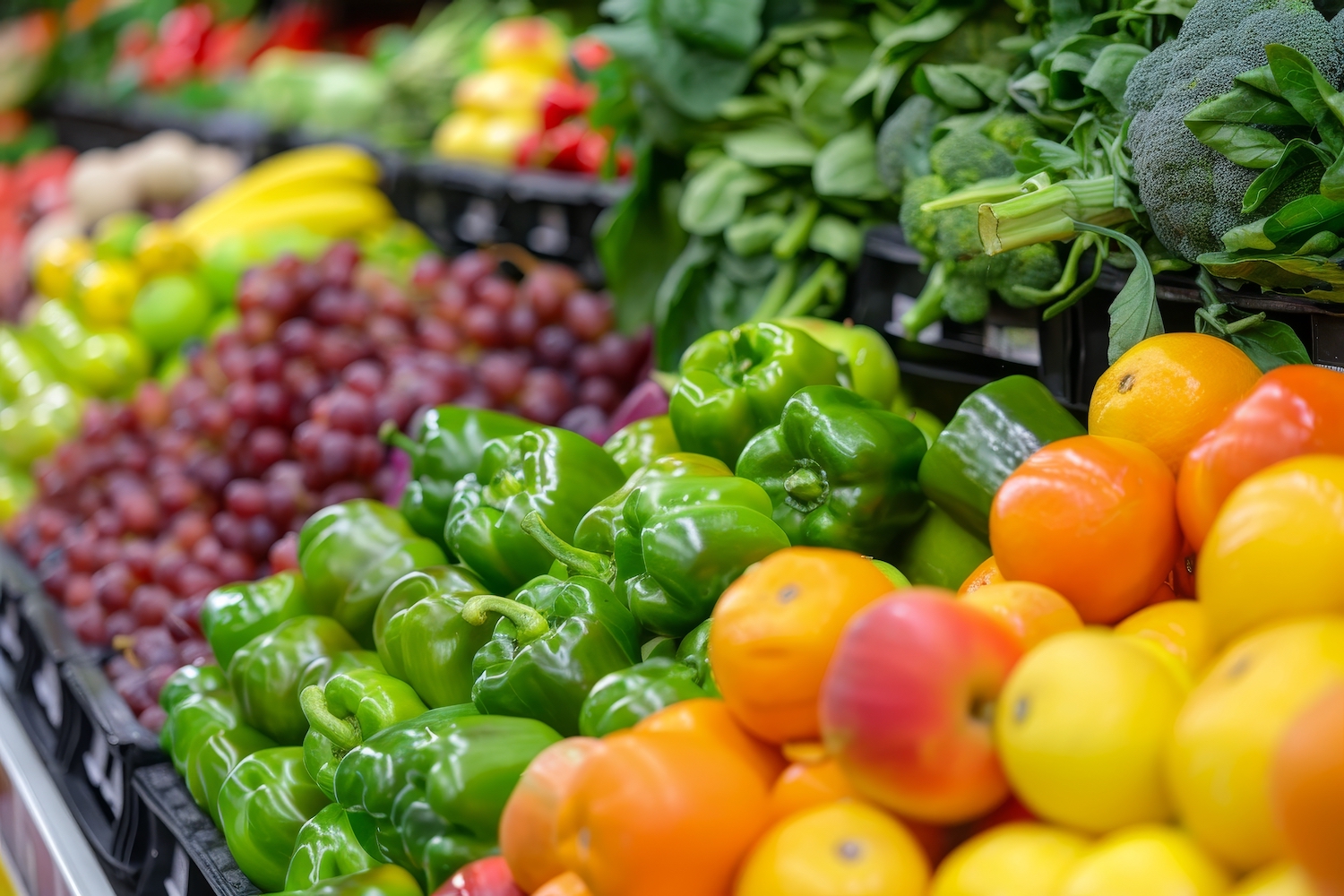
The Trump administration once again hit the pause button on its suite of tariffs, including a 25%-er on most imported goods from Canada and Mexico and a 10%-er on wares from China. U.S. supermarket shelves are packed with produce from Mexico, which provided more than half of our fresh veg and fruit imports in 2022. That means, if the tariffs do go into effect, "it’s likely going to lead to higher food prices when people are already struggling,” says Precious Tshabalala, an agricultural economist at the Union of Concerned Scientists.
Fresh produce is a cornerstone of a climate-minded diet, but how will rising prices square with a desire to eat with the planet in mind?
If implemented, the new tariffs could lead to two scenarios for any imported grub: Consumers will pay higher prices for goods, as companies pass the burden of higher costs down to shoppers, Tshabalala says, worsening an already tricky scenario for lower-income Americans. The other, longer-term path is that companies may start importing produce from other places in Latin America, says Russell Hillberry, an agricultural economist at Purdue University. Take avocados, for example: In 2022, Mexico contributed 74% of all shipments into the U.S., while Peru contributed 10%. That means it’s possible to grab larger chunks from other sources in the coming months or years.
But that’s only part of the picture. In U.S. grocery stores, you can find a mango in the dead of winter—so compared to past decades, we’re far more likely to consume produce shipped thousands of miles instead of from a local farm. “It’s disruptive to food supply chains,” Hillberry says. What does that mean? There’s actually a third scenario if your goal as a shopper is to opt for more Earth-friendly meals. Here are a few things you can consider when minding your bottom line:
Cut down on meat
Animal agriculture contributes around 14% of global greenhouse gas emissions, so the dietary shift that’s most effective for the climate-conscious is reducing the amount of meat and dairy we eat. At the same time, the U.S. imports a decent chunk of its meat and other animal products from places like Canada. Soybeans, on the other hand, are one of our most important domestic crops, which means something like tofu is not only much better for the planet but also may be safer from tariff-related price hikes.
Buy local (and seasonal)
Compared to nixing meat, eating local food is a relatively small component of an eco-friendly diet, because transportation (or “food-miles”) make up a fraction of grub’s total emissions. Eating in tune with the seasons, however, can have a lot more impact than just buying local: Out-of-season fruits and veggies may be flown in from afar or grown in energy-intensive heated greenhouses. The first step here is to know and shop for what’s in season near you (this guide is a great place to start), but you can also buy from farmer’s markets or join a community-supported agriculture (CSA) program (find one near you here). You could also explore growing your own herbs and veggies—but if you go that route consider tracking down recycled or secondhand materials for things like raised beds.
Can the cans
The price of aluminum will likely rise because we import most of the metal from Canada, with around half of the total aluminum supply coming from abroad. About a quarter of steel crosses borders, as well. Both metals are used in loads of products, including food packaging, so typically wallet-friendly canned goods, like beans and soups, will probably become pricier. That means bulk options like dried beans—particularly domestically grown ones—may become a sweeter deal than ever. Brands like Camellia and Rancho Gordo, for instance, offer up U.S.-grown legumes.
Rethink your snacks
Unfortunately for snackers, some of your favorite little treats may rise in costs as the tariffs roll in. Many U.S. munchie manufacturers source some ingredients or products from our neighbors. Oreos, for example, rely on a large production facility in Mexico. Some brands, like Kettle Brand and Smartfood, use U.S.-grown crops and so should be safer from price hikes, but it’s also a perfect time to try your hand at crisping up some chips or popping your own corn.