
Hi there, and welcome back to one5c! Today’s newsletter features conversations with a sociologist/garbageman and a home energy expert. You’ll also find some important words from a U.N. official’s COP31 speech.
What’s on my mind:
> 4 things you’re throwing in the trash that you shouldn’t be
> The best egg substitutes for plant-based cooking
> How to use a fireplace sustainably
Let’s get into it.
What You’re Throwing in the Trash That You Shouldn’t, According to a Garbageman
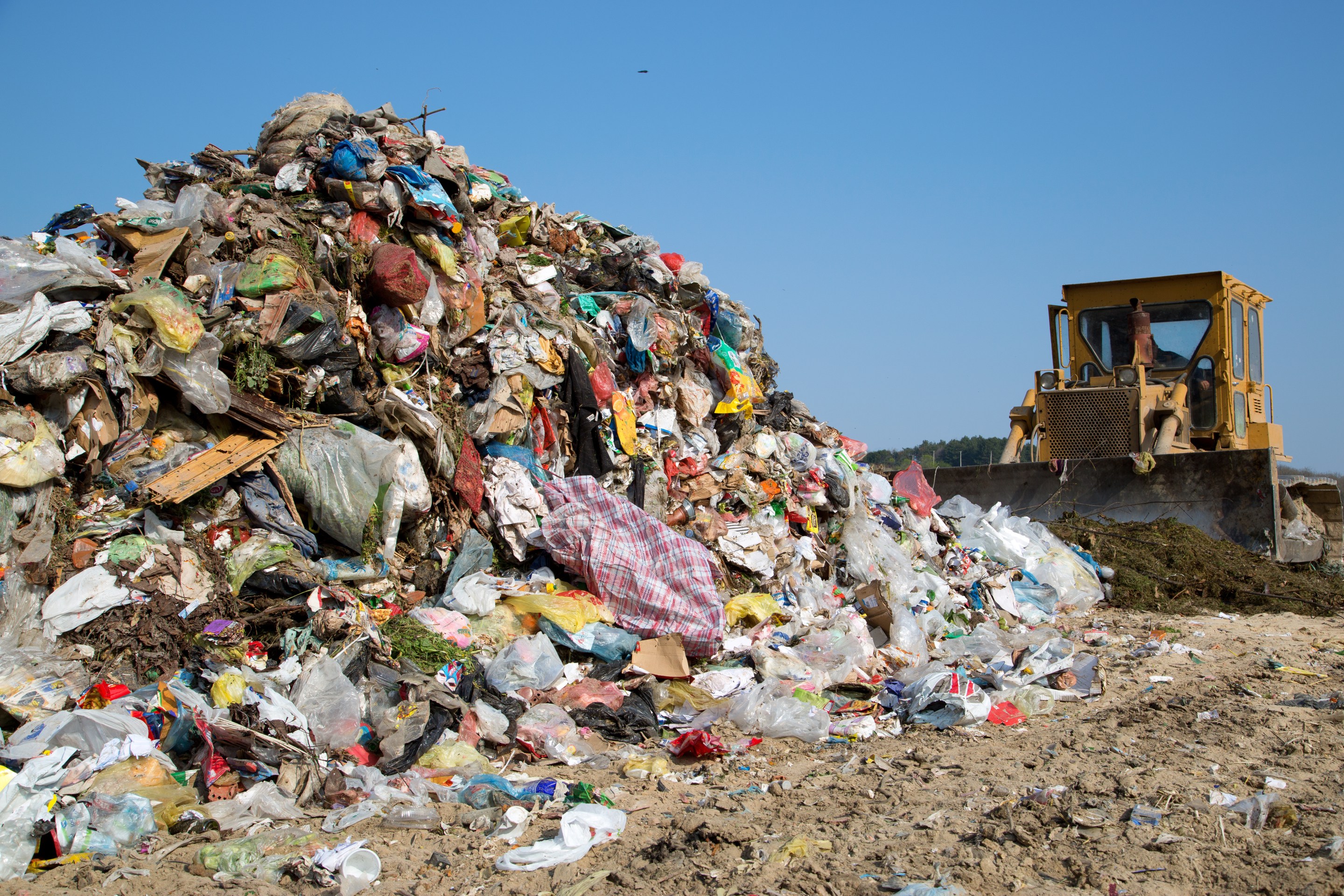
“Throwing away is something of an expertise,” says Simon Paré-Poupart, a Montreal sociologist who worked as a garbageman for 20 years and is the author of Trash! A Garbageman’s Story. In other words, he’s the definition of that expertise. Below, Paré-Poupart shares the most common items he sees people throw in the trash that they shouldn’t—because trash-processing facilities don’t have a system to sort out what doesn’t belong, he says—and why sending them to the landfill is bad for the environment.
Tech. Between 2010 and 2022, e-waste rose by 82 percent worldwide, reaching nearly 70 million tons, according to a recent U.N. report. That’s enough to fill tractor-trailers lined up bumper-to-bumper around the planet. By the end of the decade, our digital garbage could reach around 90 million tons. In fact, e-waste represents the world’s fastest growing waste stream, yet only 20 percent is formally recycled globally due to challenges such as high costs, difficulties in extracting valuable raw materials, and a lack of awareness among consumers.
E-waste can release hazardous substances into air, water, and soil, harming people, plants, and wildlife. When devices get dumped into landfills or littered, heavy metals such as lead and arsenic, along with flame retardants, can contaminate soil, water, and crops. Among numerous negative impacts, this pollution can affect the animals and people that eat contaminated crops, as well as contribute to water acidification that can reduce an ecosystem’s biodiversity.
But contamination isn’t the only issue. Disgarded devices send valuable resources like gold, platinum, cobalt, and rare-earth elements to the trash heap. “We put a lot of these rare metals that can participate in local economies in trash. A lot of tech like cell phones, computers, flat screens, all of that goes too many times in trash,” Paré-Poupart says.
When we don’t recycle these metals, we have to mine for more, which comes with its own environmental costs. But even recycling isn’t a perfect solution. “Companies will buy the recyclable metals and send them to other countries because it’s cheaper and they have less environmental laws so that they can make money off our trash. It’s a system with a lot of holes, problems that we don’t want to address, because addressing these problems will mean thinking about our consumption.”
Motor Oil. When Americans change their motor oil at home, about 5 percent of them don’t dispose of it properly, chucking it in the garbage, Paré-Poupart says. This adds up to 200 million gallons per year. “Any time you put that in a landfill, it may be spilled somewhere in your near environment.”
Used oil from one oil change can contaminate one million gallons of freshwater, equivalent to a year’s supply of freshwater for 50 people, according to the Environmental Protection Agency. Motor oil contains heavy metals and other toxic chemicals that can harm wildlife, including sticking to bird feathers, and persist long-term in the environment.
What’s more, used motor oil doesn’t need to be tossed since it can be cleaned and reused. It takes 42 gallons of crude oil to generate 2.5 quarts of motor oil but only one gallon of used motor oil.
Drugs. Many people dispose of extra prescription medicine by putting it in the trash—or flushing it down their toilets—but both can lead to drug contamination in waterways that harms wildlife. Certain medications such as antidepressants, birth control, and hormones can alter the growth and reproduction of aquatic species like fish and frogs. Another common drug type, beta blockers, can also impair critters’ development and overall wellbeing in the wild.
Food Waste and Other Organic Materials. If global food waste were a country, it would be the third largest contributor to greenhouse gas emissions in the world. Wasted food contributes about 3.3 gigatons of carbon dioxide emissions equivalent emissions to the atmosphere every year, according to the U.N. Food and Agriculture Organization.
Wasted food rotting in landfills also breeds one of the most potent greenhouse gases, methane, as bacteria feed on the organic waste in the oxygen-poor conditions of a trash heap. While the total emissions from American landfills have been decreasing in recent years, the methane emissions from the food waste sent there are increasing, according to the U.S. Environmental Protection Agency. Some landfills try to trap methane, Paré-Poupart says, but leaks are common.
You Asked...
I’m new to plant-based eating, and I’m wondering how to know which egg substitute I should use for different types of cooking and baking? —Linda
There’s no one-and-done swap for every recipe. Eggs are a source of moisture, fat, and protein, and depending on what you’re making, you need to focus on replicating different aspects of this trifecta.
For dense baked goods like brownies and cookies, you need eggs to bind the batter but don’t need them as much for lift. There are two good options here:
- You can use either flax or chia seeds to create a gelatinous mixture that holds ingredients together and adds a little fat. Combine 1 tablespoon of ground seeds with 3 tablespoons of water and let sit for 5 to 10 minutes to thicken before you add it to the recipe.
- Mashed banana, pumpkin/sweet potato purée, or applesauce can also provide structure—plus some flavor. Substitute ¼ cup of any of these purées for 1 egg.
For light and fluffy baked goods that rely on eggs partly as leavening agents, your best bet is a premade powdered egg substitute like this one from Bob’s Red Mill.
For meringues and mayo, egg whites are whipped and their proteins unfold, trapping air bubbles in their web. This creates an airy foam that brings lift and lightness. The viscous liquid from a can of chickpeas, aka aquafaba, can be whipped in a similar way to make meringues. Aquafaba’s mix of protein and carbs also helps it act as an emulsifier, which makes it an ideal base for making mayonnaise or mayo-based dressings. For 1 whole egg, use ¼ cup aquafaba; and for 1 egg white, use 2 tablespoons.
For pancakes and waffles, any of the options above will work.
For scrambles and omelets, tofu is a go-to, but you can also use tempeh if you steam or boil it first to soften it and nix some of the signature bitterness. And due to its high protein content, chickpea flour, when mixed with water, is an excellent binder that can stand in for eggs in batters and dishes like scrambles and omelets. For 1 egg, whisk 3 tablespoons of chickpea flour and 3 tablespoons of water or nondairy milk.
For baked egg dishes like quiche, blended silken tofu is perfect because its smooth, creamy texture mimics the binding and moistening properties of eggs.
Fresh Perspectives
“You pushed governments to face up to the role of fossil fuels. You fought for finance for communities facing the worst impacts of a crisis they did little to cause. But let’s be clear: We face powerful lobbies that are pressuring governments. So civil society must put the needed counter-pressure against that.” — United Nations Secretary General António Guterres at his COP31 speech on Friday
In the News
🥕 Food
> High-fiber diets, which is somewhat synonymous with plant-based diets, may help the microplastics we’re exposed to pass through our bodies without being absorbed.
📣 Policy & Action
> Here’s the argument for nixing vocab like “climate emergency” and “climate crisis” and instead sticking to the basics—”climate change”—to get Americans on board with action.
🧪 Science
> Since 1990, oceans have absorbed 35 percent of global climate emissions and forests and other plants have absorbed 13 percent, but can they keep it up?
Lead image credit: likstudio / Adobe Stock